
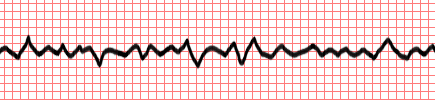
Ventricular Fibrillation
Ventricular fibrillation (also known as "VF" or "V-Fib") is a rapid, disorganized rhythm disorder of the ventricles. It causes immediate collapse of the cardiovascular system and is a frequent cause of sudden cardiac death. It almost always occurs in the presence of significant heart disease. If someone is lucky enough to be resuscitated from cardiac arrest due to ventricular fibrillation or ventricular tachycardia, he or she is considered to be at very high risk of recurrence. Ventricular fibrillation is treated the same way as ventricular tachycardia. A complete electrophysiologic evaluation is necessary, along with testing for coronary insufficiency. If ventricular fibrillation is caused by blockages in the coronary arteries, fixing those blockages with bypass surgery or with coronary stenting can decrease the risk of recurrence. However, ventricular tachycardia or ventricular fibrillation is usually caused by a short circuit in the heart and is not completely corrected by either of those procedures. Therefore, VT/VF needs to be treated separately from the coronary blockages. An implantable cardioverter-defibrillator or ICD can rescue a patient from recurrent ventricular fibrillation and thus save his or her life. Medical studies have demonstrated improved survival in patients with VF who received and ICD compared with patients placed on medical therapy.
On rare occasions sudden cardiac death due to VF can be caused by a congenital (inherited) electrical abnormality. Anyone with a family history of cardiac arrest or sudden cardiac death should be evaluated by a cardiologist. Sometimes the electrocardiogram will show evidence of congenital abnormalities such as the "Long QT Syndrome," which should be evaluated by a specialist to potentially prevent serious problems in the future.