
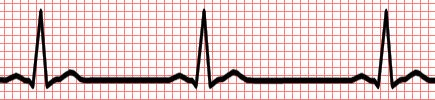
Sinus Bradycardia
Sinus bradycardia simply means that the sinus node, which normally controls the overall heart rate, is generating electrical signals that are relatively slow. By definition, sinus bradycardia is present if the sinus node is producing less than 60 electrical signals per minute. Sinus bradycardia is not necessarily abnormal, though. Young, healthy people often have heart rates of less than 60 per minute, especially when resting or sleeping. Athletic people will usually have heart rates less than 60 because their hearts become very efficient at pumping (unlike people who are out of shape). Sinus bradycardia is often seen in the elderly, due to aging of the sinus nodal tissues. This arrhythmia can even be the result of medications taken for high blood pressure, angina, or tachycardia. If there are no symptoms due to sinus bradycardia (particularly when it occurs for the above reasons), then nothing needs to be done about it. However, when sinus bradycardia occurs because of physical deterioration of the sinus node, it can cause significant symptoms (see the next chapter on "Sick Sinus Syndrome").